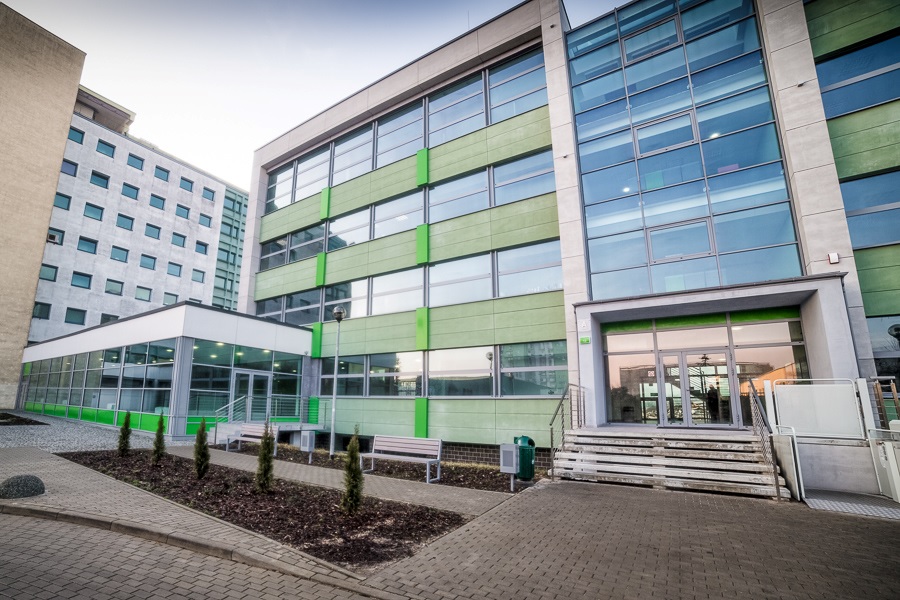
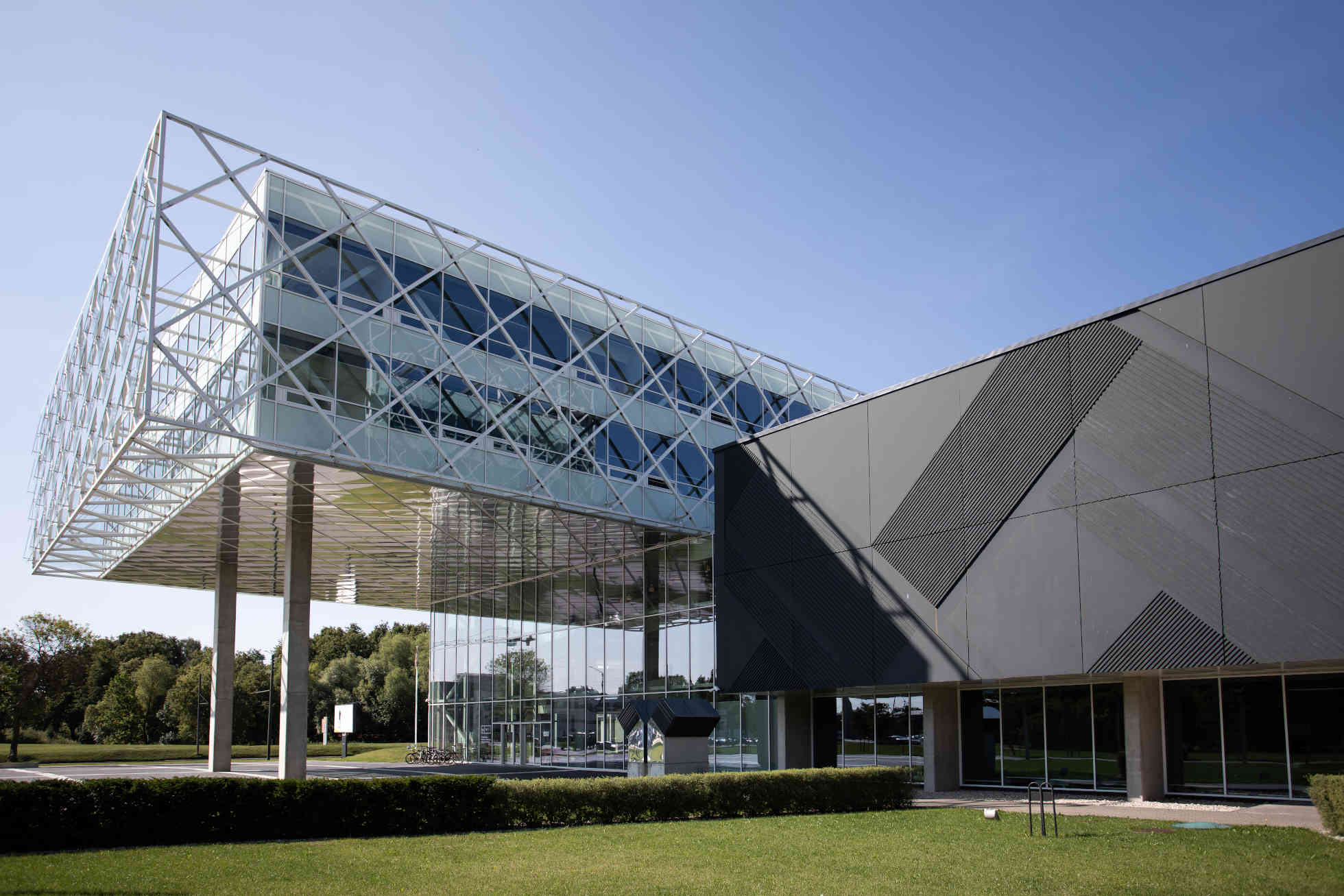
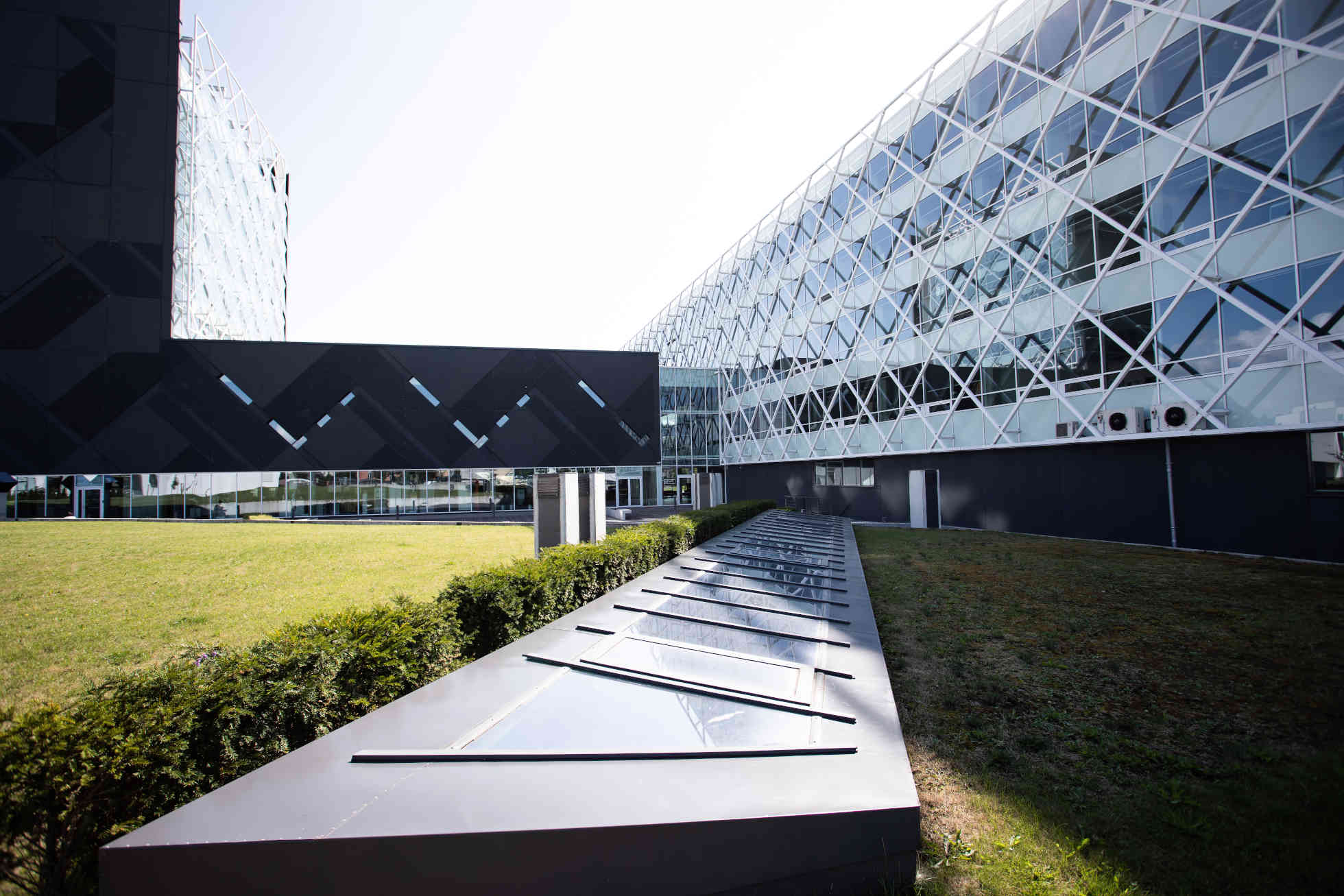
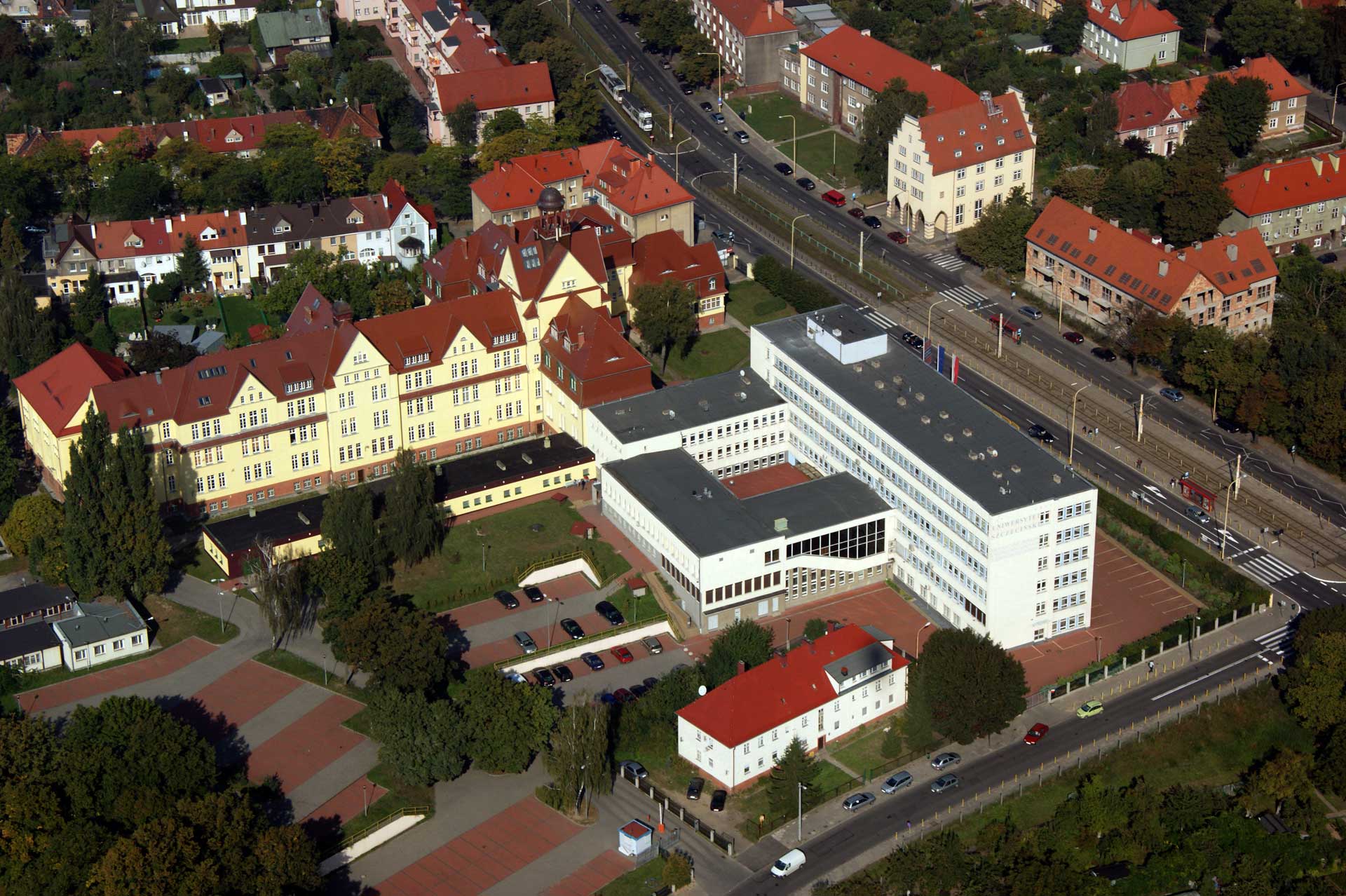
The University of Szczecin is the largest university in the Zachodniopomorskie Voivodeship in Poland.
Read moreINESC TEC is a private non-profit research institution, dedicated to scientific research and technological development, technology transfer, advanced consulting and training, and pre-incubation of new technology-based companies.
Read moreThe University of Naples Parthenope was established in 1919. Among the University’s core aims, it is worth mentioning the promotion, development, direct application, enhancement and use of knowledge to contribute to the social, cultural and economic development of society.
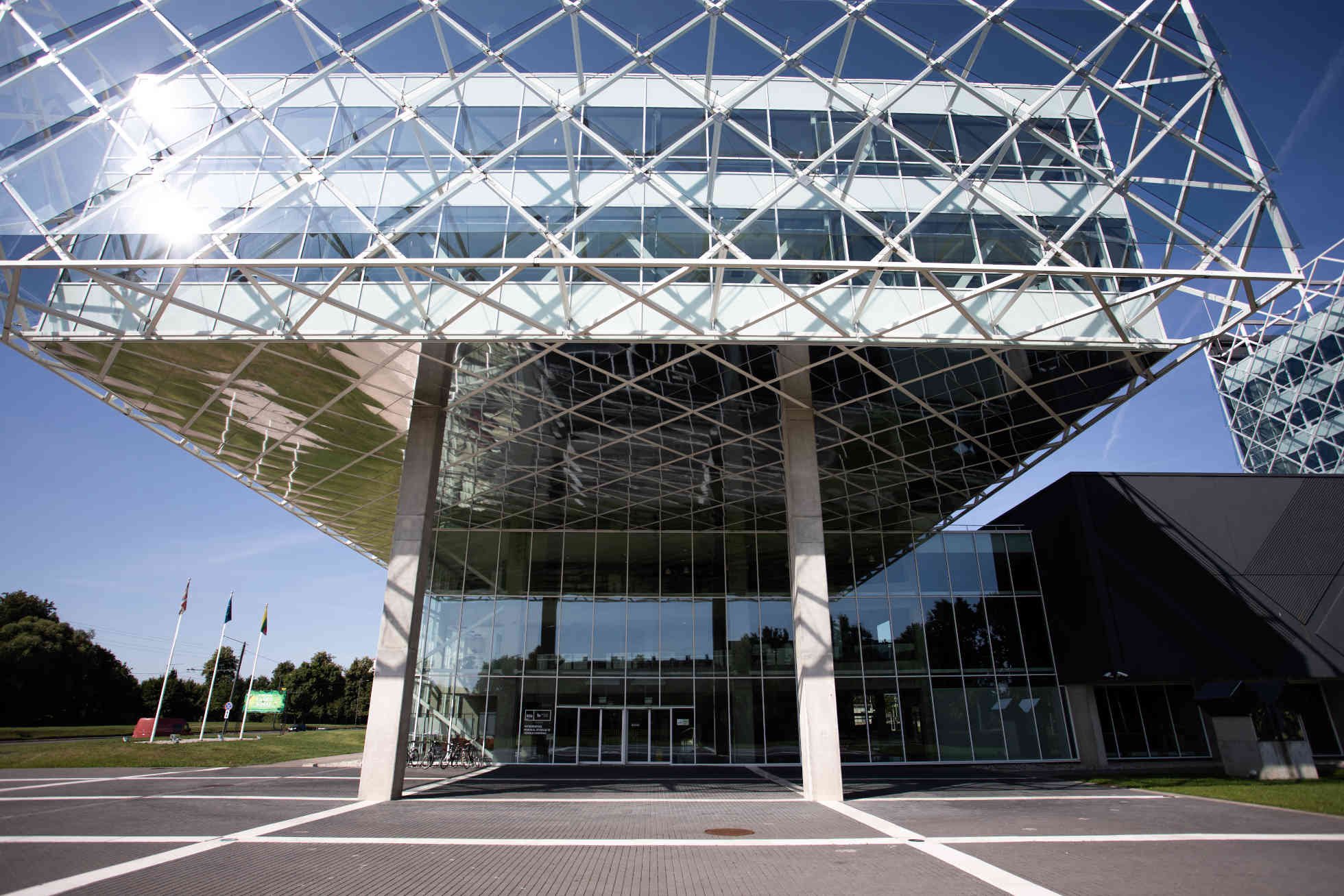
Read moreKaunas University of Technology is a public research university located in Kaunas, Lithuania, and one of the largest and oldest technological university in Baltics.
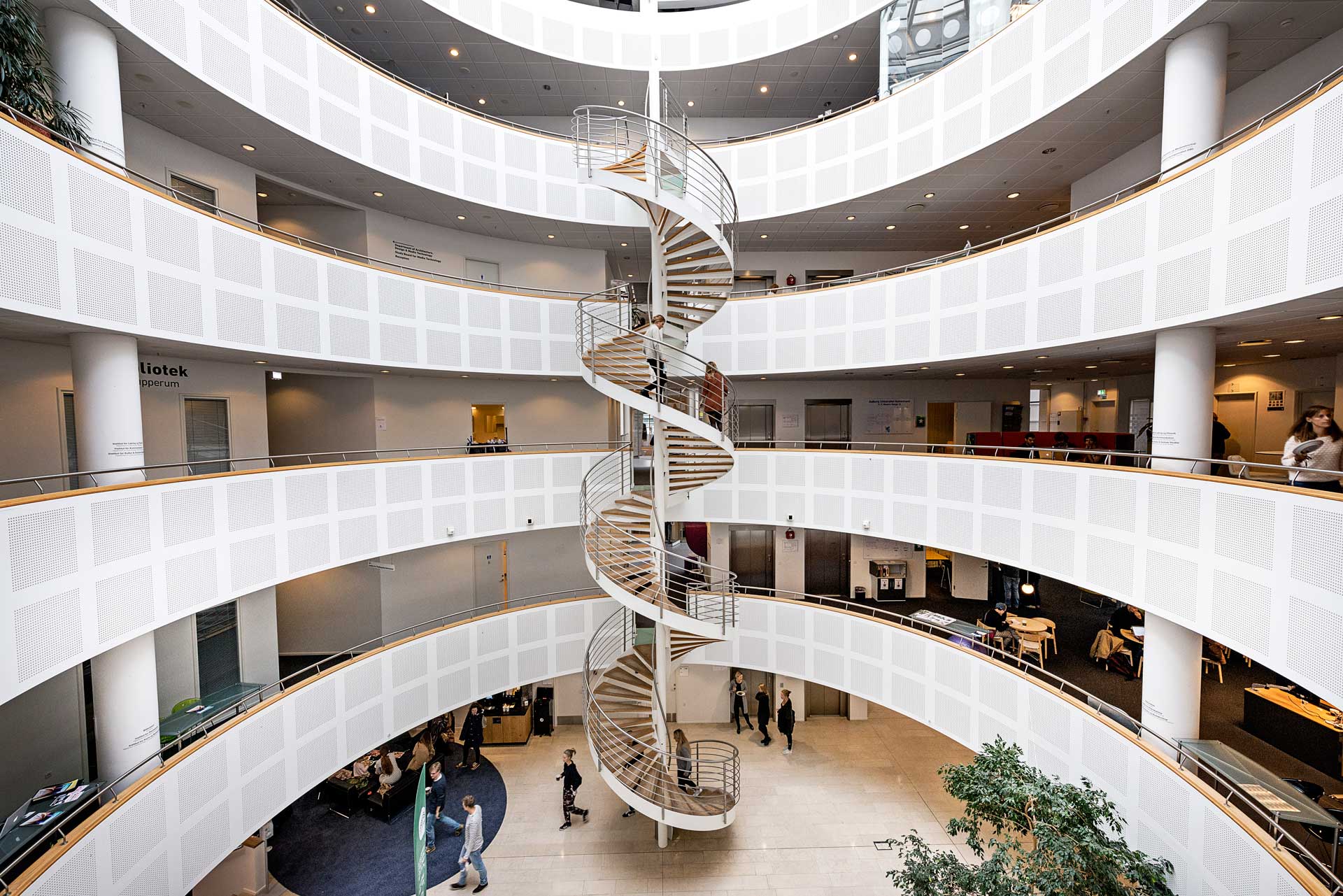
Read moreAalborg University (AAU) is a renowned university in Denmark, founded in 1974. Education and research within the fields of natural sciences, social sciences, humanities, and technical and health sciences are offered at AAU. The university awards Bachelors, Master’s, Ph.D. and Doctoral degrees in various fields within the different programmes, institutes, and centres. Approximately 20,729 students are enrolled at AAU, 13% of whom are international students from European countries, the Americas, Oceania, Asia, and Africa.
Read moreDespite the increase in the number of software developers in Europe, the demand still surpasses the supply and this situation is not likely to change in near future. Unfortunately, a known barrier to increasing this supply is the difficulty of learning and teaching to program. This barrier can be mitigated by (1) easing the learning process, by providing interactive learning environments; (2) easing the teaching process, by providing teachers with tools for preparing interactive teaching materials, and (3) using techniques that increase students’ motivation and engagement to continue learning to program. All these three needs were partially addressed by the FGPE project [https://fgpe.usz.edu.pl], in which a technological base enabling the gamification of programming education has been developed, including: a general scheme and format for gamified exercises, open-source tools for editing and playing with the exercises, and a set of such exercises. Towards the end of its implementation, we noticed the shortcomings of the FGPE platform, namely that it is separate from LMS used by HEIs and is difficult to be used on mobile devices. In response, in the FGPE Plus project [https://fgpeplus.usz.edu.pl/]: the support of the LTI standard has been added to the FGPE ecosystem, allowing students to be redirected to solve exercises in FGPE platform with their results automatically sent back to LMS, the FGPE learning platform has been reimplemented as a Progressive Web Application, to improve the user experience of mobile users, and an interactive tutorial has been added to the teacher’s user interface to guide those trying to develop their gamified courses. The current proposal aims to address problems identified during the realization of FGPE Plus project. First, we noticed teachers are still reluctant to gamify their programming lessons as they lack time and/or creative skills to design the gamification layer. Second, the power of mobile learning is it can be done anywhere. In the current FGPE platform, the “anywhere” is limited to where Internet is accessible. In many low-populated areas, including those which trains only pass by, the Internet connection is of very poor quality or sometimes unavailable, leading the users to frustration which may contribute to their stopping learning. Third, what the support for LTI enabled, has not yet been fully consumed, as so far only mini-courses primarily testing this capability were developed, because the effort needed to develop a full-fledged course was beyond the limited resources of the FGPE Plus project.
In the ongoing Framework for Gamified Programming Education (FGPE) project, we developed a technological base enabling the gamification of programming education, including: a general scheme and format for gamified exercises, open-source tools for editing and playing with the exercises, and a set of such exercises.
The project aims is to provide a framework for application of gamification to programming education, including the specifications, collection of gamified exercises and software.
The expected impact of the project is an improvement in efficiency of programming education and its student-perceived experience.

Despite the increase in the number of software developers in Europe, the demand still surpasses the supply and this situation is not likely to change in near future. Unfortunately, a known barrier to increasing this supply is the difficulty of learning and teaching to program.
This barrier can be mitigated by (1) easing the learning process, by providing interactive learning environments; (2) easing the teaching process, by providing teachers with tools for preparing interactive teaching materials, and (3) using techniques that increase students’ motivation and engagement to continue learning to program.
All these three needs were partially addressed by the FGPE project [https://fgpe.usz.edu.pl], in which a technological base enabling the gamification of programming education has been developed, including: a general scheme and format for gamified exercises, open-source tools for editing and playing with the exercises, and a set of such exercises. Towards the end of its implementation, we noticed the shortcomings of the FGPE platform, namely that it is separate from LMS used by HEIs and is difficult to be used on mobile devices.
In response, in the FGPE Plus project [https://fgpeplus.usz.edu.pl/]: the support of the LTI standard has been added to the FGPE ecosystem, allowing students to be redirected to solve exercises in FGPE platform with their results automatically sent back to LMS, the FGPE learning platform has been reimplemented as a Progressive Web Application, to improve the user experience of mobile users, and an interactive tutorial has been added to the teacher’s user interface to guide those trying to develop their gamified courses. The current proposal aims to address problems identified during the realization of FGPE Plus project. First, we noticed teachers are still reluctant to gamify their programming lessons as they lack time and/or creative skills to design the gamification layer. Second, the power of mobile learning is it can be done anywhere. In the current FGPE platform, the “anywhere” is limited to where Internet is accessible. In many low-populated areas, including those which trains only pass by, the Internet connection is of very poor quality or sometimes unavailable, leading the users to frustration which may contribute to their stopping learning. Third, what the support for LTI enabled, has not yet been fully consumed, as so far only mini-courses primarily testing this capability were developed, because the effort needed to develop a full-fledged course was beyond the limited resources of the FGPE Plus project.
Project Reference: 2023-1-PL01-KA220-HED-000164696 Realization period: from 2023-10-01 to 2025-09-30 EU Grant: 250,000 EUR Programme: Erasmus+ Key Action: Cooperation Among Organisations and Institutions Action Type: Cooperation partnerships in higher education
Place of meeting: Porto, Portugal
Date: 25 September 2025
Place of event: University of Porto, Porto, Portugal
Date: 24 September 2025
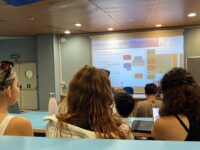
Place of event: University of Naples “Parthenope”, Naples, Italy
Date: 11 June 2025

Place of meeting: Naples, Italy
Date: 5 May 2025

Co-funded by the European Union. Views and opinions expressed are however those of the author or authors only and do not necessarily reflect those of the European Union or the Foundation for the Development of the Education System. Neither the European Union nor the entity providing the grant can be held responsible for them.
Department of Computer Science in Management, Institute of Management, University of Szczecin, Cukrowa 8, Szczecin 71-004, Poland